Q
AI tools integrated into WordPress streamline drafting, editing, and optimizing content. Creators can generate page layouts, headlines, and SEO suggestions instantly. Plugin developers are building AI assistants directly into the editor. These improvements reduce content production time significantly.
They also help ensure content quality remains consistent across different authors and teams. As AI evolves, WordPress users can expect even more advanced automation features embedded directly into their workflows.
- Smart content suggestions
- Automated formatting
- AI SEO optimization
- AI-assisted layout adjustments
- Image generation and enhancement
- Automated content summaries for long articles
Q
Gutenberg transforms how users design pages by offering flexible, modular layout controls. Its reusable blocks allow faster workflows and more consistent branding. Developers can create advanced interactive components through block-based architecture. As WordPress evolves, Gutenberg will remain central to theme and plugin innovation.
Q
Modern WordPress themes offer full-site editing, dynamic blocks, and design variations. Users can customize layouts visually without writing code. Design tokens help maintain consistency across pages.
Performance-focused themes reduce load time and increase SEO rankings. These improvements empower even non-technical users.
Q
Custom plugins allow full control and tailored functionality, ideal for complex or unique business needs. No-code solutions provide faster deployment and lower cost. Businesses must consider long-term scalability, maintenance effort, and performance requirements before choosing. A combination of both often creates the best balance.
Q
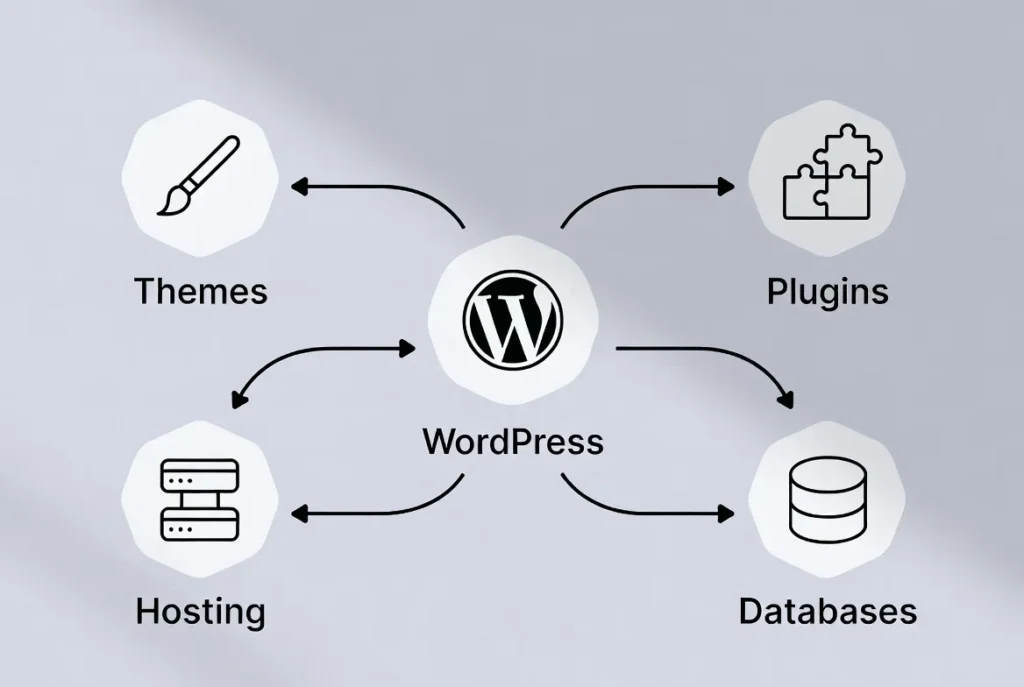
WordPress continues to evolve through strong community development, performance upgrades, and block-based enhancements. Headless WordPress attracts businesses that need modern, API-driven websites.
Its massive plugin ecosystem remains unmatched in customization flexibility. These factors help WordPress maintain leadership despite new competitors.
Q
Faster websites improve user experience, increase conversions, and rank higher on search engines. WordPress developers now focus on caching, asset reduction, and optimized rendering. With Core Web Vitals influencing SEO, performance remains a priority. Themes and plugins must adapt to lightweight coding standards.
Q
Headless architecture separates content management from presentation, enabling faster and more flexible UI development. Developers can use React, Vue, or other frameworks while keeping WordPress as the CMS. This improves scalability and performance across applications.
- Faster frontend
- Custom UI freedom
- API-driven workflows