Author: Hares

  • Digital Tools Streamlining Productivity in Remote and Hybrid Work

    Digital Tools Streamlining Productivity in Remote and Hybrid Work

    The shift to remote and hybrid work has transformed how people collaborate, making digital productivity tools essential. From project management to communication, these tools streamline workflows, save time, and keep teams connected.

    Project management platforms like Trello, Asana, and Monday.com organize tasks into clear boards, deadlines, and responsibilities. This transparency ensures everyone knows what to prioritize and helps managers track progress efficiently.

    Communication platforms such as Slack or Microsoft Teams replace endless email threads with real-time messaging and video calls. Integrated file sharing further simplifies collaboration, reducing delays and misunderstandings.

    Cloud storage systems like Google Drive and Dropbox ensure teams can access documents anytime, anywhere. Version control features prevent confusion, while collaborative editing encourages teamwork even across time zones.

    Focus tools also play a vital role. Apps like RescueTime track digital habits, highlighting productivity gaps. Website blockers help workers resist distractions like social media during deep work sessions.

    However, technology alone isn’t enough. Teams must establish guidelines for digital communication—like limiting after-hours messages—to prevent burnout. Training employees to use these tools effectively ensures smoother adoption and better results.

    The benefits are undeniable: greater efficiency, stronger collaboration, and improved accountability. With the right mix of digital tools and thoughtful practices, remote and hybrid workers can stay highly productive while maintaining balance.


  • Small Space Decorating Ideas Creating Beauty in Compact Homes

    Small Space Decorating Ideas Creating Beauty in Compact Homes

    Living in a smaller home or apartment doesn’t mean sacrificing style. With clever design strategies, compact spaces can feel inviting, functional, and surprisingly spacious. Small space decorating focuses on maximizing every square inch while maintaining comfort and beauty.

    Start by choosing multifunctional furniture. Sofa beds, storage ottomans, and foldable dining tables serve dual purposes, saving space without compromising style. Vertical solutions, such as wall-mounted shelves and floating desks, free up floor area while providing ample storage.

    Light colors play an essential role in opening up compact rooms. Whites, pastels, and light grays reflect natural light, creating the illusion of space. Mirrors enhance this effect, bouncing light around and making rooms appear larger.

    Smart organization keeps clutter at bay. Decorative baskets, hidden storage, and modular systems maintain order while blending seamlessly with decor. Plants add life and freshness, even in small doses.

    Finally, don’t shy away from personality. Bold accent walls, artwork, or statement furniture add character, proving small spaces can be both practical and stylish. With creativity and planning, any compact home can feel spacious, comfortable, and uniquely yours.

  • Quick and Healthy Breakfast Recipes for Energizing Busy Mornings

    Quick and Healthy Breakfast Recipes for Energizing Busy Mornings

    Breakfast is often called the most important meal of the day, yet busy mornings can make it tempting to skip. The solution lies in quick and healthy recipes that fuel your body without taking too much time.

    Smoothies are a great option for those rushing out the door. Combining fruits, vegetables, and protein sources like Greek yogurt or nut butter creates a nutrient-packed meal in minutes. For variety, try green smoothies with spinach and pineapple or berry blends with oats and chia seeds.

    Overnight oats are another time-saver. Prepared the night before with rolled oats, milk, and toppings such as bananas, nuts, or cinnamon, they provide a satisfying breakfast ready to grab and go.

    For a heartier option, egg muffins baked with vegetables, cheese, or turkey sausage can be stored in the fridge for quick reheating. Whole-grain toast topped with avocado, tomato, and poached eggs delivers healthy fats and protein for long-lasting energy.

    Balanced breakfasts stabilize blood sugar, improve concentration, and set the tone for the rest of the day. With the right recipes, you can enjoy nutritious meals without sacrificing time or taste.

  • Cozy Living Room Interior With Armchair, Books, And Plants

    Cozy Living Room Interior With Armchair, Books, And Plants

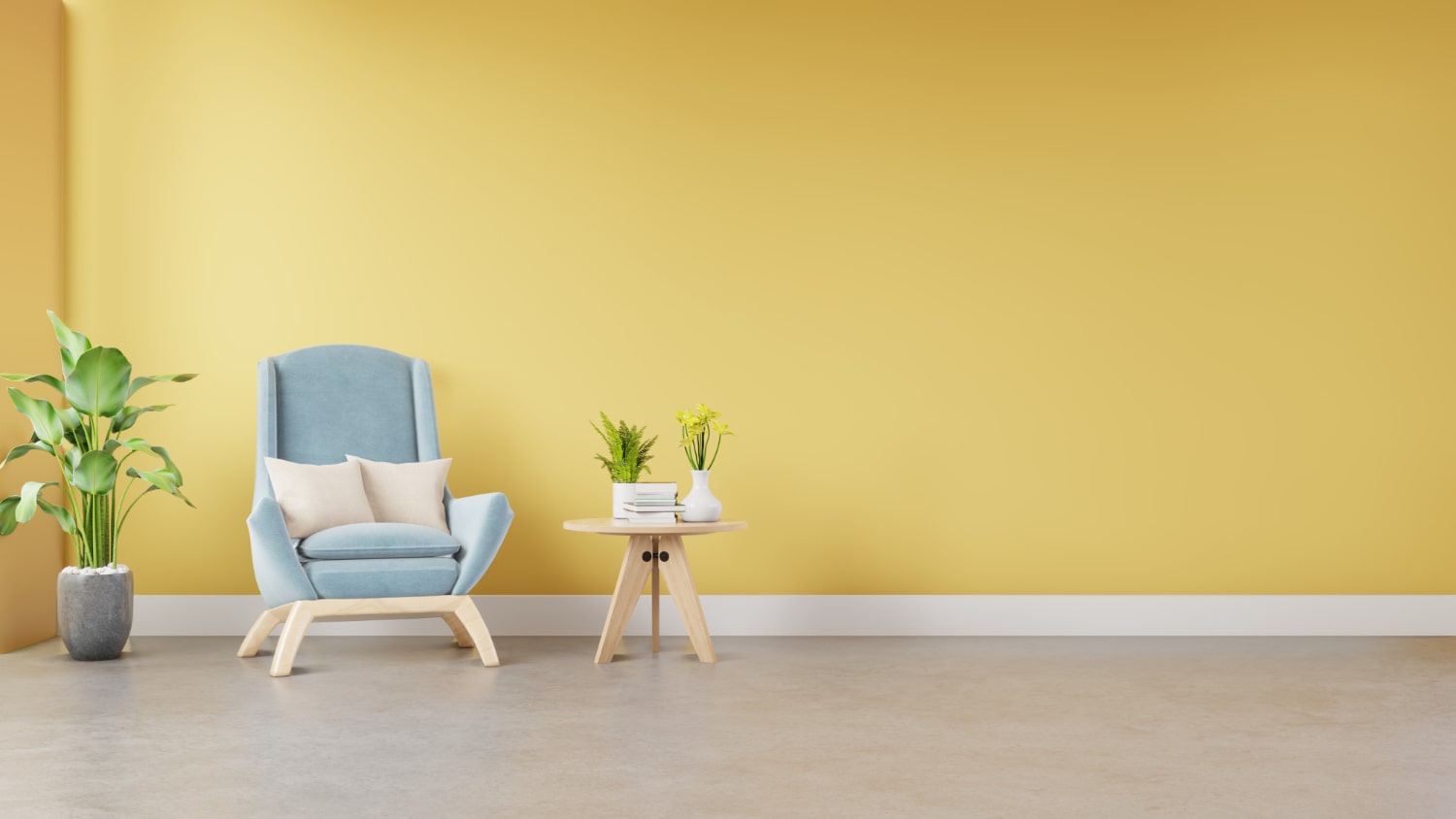
    A living room is more than a functional space—it is the heart of the home, a place where comfort and style come together to create an inviting environment. The image of a cozy fabric armchair, paired with books and plants against a soft yellow wall background, perfectly illustrates how thoughtful interior design can transform a simple room into a sanctuary of warmth and relaxation.

    The fabric armchair is the focal point of this composition. Comfortable seating is essential for any living space, and fabric chairs are known for their warmth, texture, and timeless appeal. Unlike leather or metal seating, fabric armchairs bring softness and coziness, encouraging people to sit back, read a favorite book, or enjoy a quiet cup of tea. Choosing the right color and fabric adds personality to the room, making it a statement piece as well as a functional one.

    Books placed within the scene add depth and charm. They represent knowledge, imagination, and personal taste, instantly giving the space a lived-in and welcoming feeling. A book-filled corner is more than decoration—it’s an invitation for relaxation and inspiration. Whether it’s a few carefully chosen novels or a stack of coffee table books, this element makes the room feel personal and expressive.

    Plants complete the composition with natural beauty. Indoor greenery has become a cornerstone of modern interior design, not only for its visual appeal but also for its health benefits. Plants improve air quality, reduce stress, and create a calming atmosphere. Against the yellow wall, the green tones pop beautifully, offering contrast and vibrancy that enlivens the entire space.

    The yellow background adds a cheerful and uplifting touch. Yellow is a color often associated with warmth, optimism, and creativity. It brightens the room, making it feel larger and more inviting, while providing a neutral backdrop for furniture and accessories to stand out. Combined with the earthy tones of the armchair and the freshness of the plants, it creates a balanced, harmonious palette.

    Together, the armchair, books, plants, and yellow wall symbolize a lifestyle centered around comfort, creativity, and balance. This arrangement showcases how even minimal furniture and accessories, when thoughtfully placed, can create a warm and functional space.

    Ultimately, this design reminds us that a living room does not need extravagant décor to feel luxurious. With just a few key elements—cozy seating, a personal touch through books, a connection to nature with plants, and a thoughtful color scheme—anyone can create a space that feels welcoming, stylish, and uniquely their own.

  • Dynamic Realistic Abstract Football Background Inspiring Energy and Motion

    Dynamic Realistic Abstract Football Background Inspiring Energy and Motion

    Introduction

    Football, known as the world’s most popular sport, is not only about competition on the field—it’s also about the visual excitement and energy that surrounds the game. A realistic abstract football background captures that spirit perfectly, blending artistic creativity with the raw power and intensity of the sport. This type of design merges realism with abstract elements, making it an excellent choice for sports branding, digital content, or simply celebrating the passion of football.

    The Energy of Football in Abstract Art

    Abstract backgrounds allow designers to highlight the movement, speed, and chaos that define football. With swirling lines, textured gradients, and sharp details, these backgrounds mimic the adrenaline of a player sprinting, a ball soaring through the air, or the crowd roaring with excitement. At the same time, the realistic details, such as a ball or pitch elements, ground the design in authenticity.

    Why Realism Matters

    While abstract art thrives on creativity, realism brings recognition. Football fans instantly connect with familiar symbols like the ball, goalposts, or field patterns. By combining realism with abstract techniques, these backgrounds achieve balance—artistic freedom paired with identifiable imagery. This makes them visually striking while keeping the sport’s identity intact.

    Applications in Modern Media

    A realistic abstract football background can be used across countless platforms. Sports websites, event posters, social media graphics, and even merchandise can all benefit from such a design. It enhances the energy of promotional content while also creating an immersive atmosphere. Broadcasters and event organizers especially rely on these visuals to capture attention and convey excitement before a game even begins.

    The Emotion Behind the Design

    Football isn’t just a sport—it’s an emotion. Abstract backgrounds bring out the intensity of those emotions, whether it’s the tension of a penalty shootout, the thrill of a last-minute goal, or the joy of victory. Through color, texture, and motion, designers can make audiences feel the same rush of adrenaline players experience on the pitch.

    Future of Football Design Trends

    Sports design is evolving rapidly. As digital media becomes more immersive, the use of realistic abstract visuals will only grow. From augmented reality stadiums to interactive fan experiences, these designs are not limited to static backgrounds—they are part of a larger trend toward making football content more engaging and visually powerful.

    Conclusion

    A realistic abstract football background is more than just a design; it’s a story told through motion, color, and creativity. By merging the realism of football with abstract artistry, these visuals highlight the spirit of the game in a unique and powerful way. They inspire fans, energize content, and symbolize the universal love for the beautiful game.

  • Machine Learning Driving Innovation Across Industries With Smarter Predictive Analytics

    Machine Learning Driving Innovation Across Industries With Smarter Predictive Analytics

    Machine learning (ML), a subset of AI, is transforming industries by enabling smarter predictive analytics. By analyzing patterns in vast datasets, ML algorithms can forecast outcomes with incredible accuracy, driving innovation in business, healthcare, finance, and beyond.

    In retail, ML analyzes customer behavior to predict purchasing trends. This helps companies optimize inventory, personalize recommendations, and increase sales. In healthcare, predictive models forecast disease risks and patient outcomes, allowing earlier interventions.

    Financial institutions use ML for fraud detection. By spotting unusual transaction patterns, algorithms flag risks faster than traditional systems, protecting both businesses and customers. Meanwhile, in manufacturing, predictive maintenance uses ML to identify equipment failures before they occur, saving costs and preventing downtime.

    What makes ML powerful is its adaptability. Algorithms continuously learn and improve from new data, becoming more accurate over time. Combined with automation, ML reduces human error while increasing efficiency.

    Despite the benefits, challenges remain. Poor-quality data can lead to inaccurate predictions, while complex algorithms often lack transparency. Ethical guidelines and explainable AI frameworks are crucial to building trust.

    Machine learning is no longer just a technical concept—it’s a practical tool shaping the future. As predictive analytics expand, industries will continue unlocking innovation through the power of ML.

  • Mastering Daily Habits for Productivity in a Distracted World

    Mastering Daily Habits for Productivity in a Distracted World

    In today’s fast-paced digital environment, distractions seem impossible to avoid. Between endless notifications, social media feeds, and packed to-do lists, staying productive feels like a battle. The solution often lies not in working harder, but in cultivating intentional daily habits that strengthen focus and efficiency.

    One of the most powerful strategies is building a morning routine. Whether it’s exercising, journaling, or planning your day, these activities prime your brain for productivity. A consistent morning ritual establishes control, helping you start strong rather than reacting to chaos.

    Equally important is task prioritization. The Eisenhower Matrix—a method that categorizes tasks as urgent or important—helps cut through clutter and focus on what truly matters. Pairing this with time-blocking, where you dedicate specific time slots for activities, prevents multitasking and encourages deep work.

    Breaks are not signs of weakness; they’re productivity boosters. Short pauses improve concentration, while techniques like the Pomodoro Method balance focus with recovery. Research shows that people working in sprints with structured breaks accomplish more without burnout.

    Sleep, nutrition, and exercise form the foundation of sustainable productivity. Skipping rest or movement may buy short-term time but erodes energy and focus. High performers understand that managing energy is as vital as managing time.

    Ultimately, productivity isn’t about squeezing more tasks into a day—it’s about aligning actions with values. By mastering small, consistent habits, you create momentum toward meaningful results.

  • Cybersecurity Challenges and Solutions in Today’s Connected Digital Era

    Cybersecurity Challenges and Solutions in Today’s Connected Digital Era

    The digital age has connected the world like never before, but this connectivity comes with growing cybersecurity risks. From ransomware attacks to phishing scams, individuals and organizations face constant threats that demand strong security strategies.

    Cybersecurity begins with understanding vulnerabilities. Personal data, financial records, and corporate secrets are prime targets for hackers. The rise of remote work has expanded risks, as employees access sensitive information through home networks and personal devices. This shift requires more robust defense mechanisms.

    Businesses increasingly adopt multi-layered security approaches. Firewalls, intrusion detection systems, and endpoint protection are standard, but the focus is shifting toward proactive solutions. Artificial Intelligence plays a key role by monitoring traffic patterns and identifying anomalies before they escalate into attacks.

    For individuals, basic digital hygiene is vital. Using strong, unique passwords, enabling two-factor authentication, and avoiding suspicious links can significantly reduce risks. Regular updates for software and devices are equally critical, as outdated systems often provide openings for cybercriminals.

    Governments and international organizations also contribute to cybersecurity by establishing regulations and promoting collaboration. Initiatives like GDPR emphasize data protection, while global cooperation helps track and dismantle cybercrime networks.

    Despite growing challenges, cybersecurity is not just about defense—it’s about resilience. Companies that invest in robust recovery plans, employee training, and secure technologies can minimize damage and maintain trust.

    In today’s connected world, cybersecurity is everyone’s responsibility. By combining awareness, technology, and collaboration, we can navigate digital risks while embracing the benefits of connectivity.

  • Racing Hoverbikes Through Neon Streets of Futuristic City

    Racing Hoverbikes Through Neon Streets of Futuristic City

    In the heart of a neon-lit metropolis, adventure takes on a whole new dimension as hoverbikes slice through glowing avenues and towering skyscrapers. The futuristic city, alive with energy and vibrancy, becomes both racetrack and playground for thrill-seekers daring enough to mount these advanced machines. With blazing trails of light and sleek aerodynamic design, hoverbikes symbolize speed, freedom, and rebellion in a world defined by technology.

    Racing through the cyberpunk streets is more than a sport—it’s an immersive experience that blends human adrenaline with high-tech engineering. Riders wear protective suits designed for both style and safety, their helmets reflecting the dazzling glow of digital billboards and holographic signs. Every twist and turn of the city grid challenges reflexes and instincts, demanding focus in an environment where distractions are constant.

    The hoverbikes themselves are marvels of innovation, powered by anti-gravity engines that defy conventional roads. Their luminous thrusters leave streaks of light, painting the cityscape with ephemeral art. As riders dart between skyscrapers, weave through traffic, and accelerate along elevated highways, they embody the futuristic spirit of exploration. It’s not just about reaching a destination but about embracing the journey in all its electrifying chaos.

    This experience also reveals the culture of the city—a blend of tradition and digital evolution. Neon signage recalls classic cityscapes, while holographic advertisements remind travelers of the omnipresence of technology. The hoverbike race thus becomes a metaphor for modern urban life: fast, competitive, and endlessly dynamic.

    For travelers seeking a glimpse into possible futures, riding a hoverbike in such a city offers both exhilaration and insight. It’s a chance to feel the pulse of tomorrow while immersed in the glowing heartbeat of a metropolis that never sleeps.

  • Exploring Sustainable Fashion Trends Shaping the Future of Style

    Exploring Sustainable Fashion Trends Shaping the Future of Style

    Sustainable fashion has evolved from a niche interest into a global movement reshaping the way we think about clothing. Driven by environmental awareness and consumer demand for ethical practices, designers and brands now embrace sustainability as both responsibility and innovation.

    At its core, sustainable fashion emphasizes eco-friendly materials. Organic cotton, hemp, and bamboo fabrics replace resource-heavy alternatives, while recycled textiles give new life to discarded clothing. Innovations like plant-based leather and biodegradable fibers offer greener choices without sacrificing aesthetics.

    Equally important is transparency. Shoppers increasingly want to know where their garments come from, how they’re made, and who makes them. Brands are responding with clear supply-chain reporting and fair labor commitments, ensuring workers’ rights and ethical practices are prioritized.

    Circular fashion is another growing trend, where clothing is designed for longevity, repair, and reuse. From second-hand marketplaces to upcycled collections, consumers are encouraged to see value beyond disposability. This shift reduces textile waste and creates unique, one-of-a-kind pieces.

    Sustainability also influences style. Rather than seasonal fast fashion, designers create timeless silhouettes adaptable across years. Capsule wardrobes built around versatile staples make sustainable dressing both practical and stylish.

    For consumers, participating in sustainable fashion can start small—choosing quality over quantity, supporting local artisans, or donating unused clothing. Over time, these mindful decisions contribute to meaningful environmental impact.

    The future of fashion lies in merging creativity with responsibility. Sustainable fashion proves that style can flourish while respecting the planet, offering a blueprint for a more ethical, conscious, and inspiring industry.