Author: Hares

  • Confident Football Player Posing with Foot on the Ball

    Confident Football Player Posing with Foot on the Ball

    Introduction

    The image of a football player with one foot on the ball is iconic. It’s a pose that speaks volumes—about control, readiness, and identity. Whether captured in a stadium, on a training pitch, or in a stylized studio setting, this stance is a visual shorthand for athletic focus and leadership. It’s not just a pose—it’s a statement.

    Symbolism of the Stance

    Placing a foot on the ball is symbolic of dominance and preparation. It suggests the player is in control, ready to act, and aware of their surroundings. This posture is often used in sports photography to convey confidence, authority, and calm before the storm. It’s the moment before motion—the pause that defines intent.

    Visual Composition and Impact

    From a design perspective, this pose offers strong compositional balance. The vertical line of the body contrasts with the roundness of the ball, creating visual tension. Depending on the background—stadium lights, cloudy sky, or minimalist studio—the image can evoke different moods:

    • Heroic: Backlit with dramatic shadows
    • Focused: Neutral tones and sharp detail
    • Stylized: High contrast or monochrome treatment

    The simplicity of the pose makes it adaptable across branding, editorial, and promotional contexts.

    Applications in Sports Media

    This visual is widely used in:

    • Player profiles and team posters
    • Training program covers
    • Motivational graphics and merchandise
    • Social media intros and highlight reels
    • Youth academy branding and recruitment materials

    Its clarity and emotional resonance make it ideal for both professional and grassroots campaigns.

    Emotional and Cultural Resonance

    The stance connects with viewers on a deeper level. It’s not about action—it’s about presence. The player isn’t running or scoring—they’re grounded, composed, and ready. This resonates with themes of discipline, leadership, and self-belief. It’s a universal image that speaks to athletes, fans, and designers alike.

    Design Trends and Variations

    Modern sports visuals often remix this pose with:

    • Gradient backgrounds for depth and motion
    • Silhouette treatments for timeless impact
    • Close-up textures of boots, turf, and ball for realism
    • Color overlays to match team branding or campaign themes

    These variations keep the pose fresh while preserving its core symbolism.

    Conclusion

    A football player with foot on the ball is more than a static image—it’s a visual metaphor for control, readiness, and identity. Whether used in design, media, or storytelling, this pose captures the essence of football in a single frame. It’s a reminder that before every great play, there’s a moment of stillness, focus, and intent.


  • Kitchen Design Trends Blending Functionality with Modern Stylish Flair

    Kitchen Design Trends Blending Functionality with Modern Stylish Flair

    The kitchen is the heart of any home, and modern design trends emphasize both functionality and style. Today’s kitchens blend sleek technology with timeless aesthetics, making them efficient yet inviting spaces.

    Open layouts remain popular, connecting kitchens seamlessly with dining or living areas. This encourages social interaction while maximizing space. Islands with seating provide both preparation surfaces and casual dining spots, while integrated storage keeps clutter hidden.

    Neutral palettes with bold accents dominate design trends. White or gray cabinetry paired with statement backsplashes, metallic fixtures, or colorful appliances creates balance between classic and contemporary. Natural materials like stone countertops and wooden finishes add warmth and texture.

    Smart technology is transforming kitchens. Touchless faucets, energy-efficient appliances, and app-controlled lighting enhance convenience and sustainability. Paired with ergonomic layouts, these innovations make kitchens more user-friendly than ever.

    Finally, personalization is key. Whether through unique lighting fixtures, open shelving with curated displays, or statement décor, modern kitchens reflect individual lifestyles. By blending practicality with stylish flair, the kitchen becomes both a functional workspace and a hub of family life.

  • Discovering Alien Crystal Fields Beneath a Distant Sunset

    Discovering Alien Crystal Fields Beneath a Distant Sunset

    On the surface of an alien world, explorers witness a scene of breathtaking beauty. A radiant sun sinks toward the horizon, painting the sky in hues of pink and orange. In the foreground, clusters of towering crystals glow with internal light—emerald, violet, and sapphire shades sparkling against the rocky terrain. This is not a dreamscape but a tangible reality for astronauts venturing beyond Earth.

    Their spacecraft rests nearby, a sleek vessel ready to carry them further into the cosmos. Yet, for now, the crew pauses to study this extraordinary landscape. The crystals are not merely beautiful; they may hold valuable scientific and technological secrets. Some pulse faintly, suggesting unique energy properties, while others shimmer in patterns that hint at underlying structures. Collecting samples becomes both a mission priority and a privilege.

    As astronauts kneel among the glowing formations, instruments in hand, they document every detail. Each shard tells a story of geological processes alien to our world, shaped by forces we can only begin to understand. The crystals may reveal clues about the planet’s composition, atmosphere, and even its potential to support life.

    Beyond the crystals, futuristic towers rise in the distance, silhouetted against the sunset. Whether natural or constructed, their sharp forms remind travelers that this world holds mysteries waiting to be solved. The combination of natural wonder and possible civilization creates an intoxicating mix of exploration and discovery.

    This moment captures the essence of interplanetary travel: the thrill of encountering environments that defy imagination, the scientific responsibility of studying them, and the emotional awe of standing in a place no human has ever been before.

    The crystal fields beneath the alien sunset stand as a reminder of why humanity journeys into space—not only to survive but to marvel, to learn, and to expand the boundaries of possibility.

  • Colorful Holiday Candy Decorations Brighten A Child’s Festive Celebration

    Colorful Holiday Candy Decorations Brighten A Child’s Festive Celebration

    Holidays are special moments in every child’s life, filled with joy, laughter, and vibrant traditions. One of the simplest yet most delightful aspects of these celebrations is the use of colorful candies as decorations. The image of brightly colored candy against a cheerful blue background perfectly captures the innocence and excitement that children experience during holiday festivities.

    Candy has always held a central place in holiday traditions. Whether it’s candy canes during Christmas, chocolates at Easter, or brightly wrapped sweets during birthdays, candy brings instant happiness. For children, candies are more than just treats—they are symbols of fun, togetherness, and celebration. The bright colors appeal to their imagination, turning ordinary moments into magical memories.

    When used as decorations, candy goes beyond its role as food. It becomes an artistic element of holiday décor. Imagine a table adorned with bowls of multi-colored sweets, or holiday wreaths decorated with lollipops and candy canes. These playful touches not only excite children but also add warmth and charm to the home environment. The use of candy in decoration is particularly effective because it connects visual appeal with taste—two senses children love to explore.

    The blue background in the image adds a refreshing twist. Blue is a color often associated with calmness, creativity, and wonder. Against this backdrop, the bright candy colors pop even more vividly, creating a joyful, eye-catching display. This contrast mirrors the balance of holidays themselves: moments of calm shared with family, mixed with bursts of excitement and celebration.

    Beyond aesthetics, holiday candy decorations carry emotional value. They encourage bonding as families come together to prepare, design, and enjoy the festive space. Children especially love being part of this process—arranging sweets, picking their favorite colors, or sneaking a treat while decorating. These shared activities strengthen traditions and create stories that last well beyond the holiday season.

    On a larger cultural level, the use of candy in holiday décor highlights how universal the joy of sweets truly is. From Western celebrations like Halloween and Christmas to global festivals where sweets are exchanged, candy plays a role in connecting people through happiness and generosity. It’s a small but powerful reminder of how food can transcend age, culture, and tradition.

    For parents and caregivers, candy decorations also offer opportunities for creativity and moderation. Decorating with sweets doesn’t mean overindulgence—it can be about creating a festive atmosphere while keeping actual consumption balanced. Children are delighted just by the sight of colorful displays, proving that candy’s visual magic is often as powerful as its taste.

    Ultimately, the combination of a child’s holiday spirit, colorful candy, and a cheerful background embodies everything joyful about the festive season. It’s a reminder that holidays are not about extravagance, but about celebrating simple joys—color, taste, laughter, and family togetherness.

  • Tips for Booking Cheaper Flights Without Breaking Your Travel Budget

    Tips for Booking Cheaper Flights Without Breaking Your Travel Budget

    Airfare is often one of the biggest expenses when planning a trip, but with the right strategies, you can secure great deals and save money. While some travelers assume cheap flights come down to luck, the truth is that timing, flexibility, and a bit of research play major roles. Here are proven tips for booking cheaper flights and stretching your travel budget further.

    Be Flexible with Travel Dates

    Airfare prices fluctuate daily depending on demand, season, and even the day of the week. Flying midweek—particularly on Tuesdays and Wednesdays—tends to be cheaper than weekends. Avoid peak holiday travel dates if possible, and consider shoulder seasons for lower fares.

    Use Flight Comparison Tools

    Websites and apps like Skyscanner, Google Flights, and Kayak make it easy to compare multiple airlines and booking platforms at once. These tools also allow you to set price alerts, so you’ll be notified when fares drop for your chosen destination.

    Book in Advance (But Not Too Early)

    Booking early often helps, but too far in advance can sometimes cost more. The sweet spot for international flights is typically 2–5 months before departure, while domestic flights are often cheapest 1–3 months prior.

    Consider Alternative Airports and Routes

    Flying into or out of smaller airports can save hundreds of dollars. For example, flying into Milan instead of Rome or Brussels instead of Paris may significantly reduce costs. Also, look at one-way or multi-city tickets, which can sometimes offer better value than round trips.

    Clear Cookies or Use Incognito Mode

    Airline websites may track searches and increase fares based on repeated visits. Searching in incognito mode or clearing your browser cookies can help prevent artificially inflated prices.

    Take Advantage of Loyalty Programs and Deals

    Sign up for frequent flyer programs, airline newsletters, and credit cards that offer travel rewards. Redeeming miles or points can significantly reduce costs, sometimes even covering an entire flight.

    Final Thoughts

    Cheaper flights aren’t about luck—they’re about strategy. By combining flexibility, smart tools, and travel hacks, you can consistently find better fares. With money saved on flights, you’ll have more to spend on experiences, dining, and adventures at your destination.

  • Skateboarder Showcases Impressive Tricks with Skill, Balance, and Style

    Skateboarder Showcases Impressive Tricks with Skill, Balance, and Style

    Introduction

    Skateboarding is more than just a sport; it is a cultural movement that thrives on creativity, courage, and individuality. Watching a skateboarder perform tricks is an experience that captures the essence of freedom, determination, and innovation. Every jump, grind, and flip is a testament to countless hours of practice and passion.

    The Art of Tricks

    From ollies to kickflips, skateboarding tricks require precision and timing. Each move is a balance between technique and creativity, where skaters push the boundaries of what is possible. Performing tricks is not just about mechanics but about developing a personal style that makes each ride unique and memorable.

    Physical and Mental Demands

    Behind every trick is a mix of athleticism and resilience. Skateboarders rely on strong legs, sharp reflexes, and excellent balance. Equally important is mental strength—the ability to face falls, overcome fear, and persist until a move is mastered. This blend of physical and mental preparation makes skateboarding a demanding yet rewarding pursuit.

    The Culture of Skateboarding

    Skateboarding has deep roots in urban culture, often associated with freedom of expression and pushing against boundaries. Performing tricks in public spaces or skate parks is more than a showcase of skill; it is a way of communicating identity and creativity. Each trick tells a story about the skater’s personality and journey.

    Risk and Reward

    Tricks are not without risk. Falls, scrapes, and setbacks are part of the process. Yet, this risk adds to the thrill and makes the reward even sweeter. Successfully landing a difficult trick brings a rush of adrenaline and accomplishment that fuels a skateboarder’s passion for the sport.

    Inspiration for Others

    Skateboarders performing tricks often inspire audiences and aspiring riders alike. Their dedication proves that with patience and determination, boundaries can always be pushed further. The sport encourages young people to be active, creative, and resilient while giving them a platform for self-expression.

    Conclusion

    A skateboarder performing tricks embodies more than athleticism—it represents a spirit of freedom, creativity, and perseverance. Each trick is a reminder that the sport is about more than competition; it is about self-discovery, artistry, and the relentless pursuit of progress. Whether in skate parks, city streets, or global competitions, skateboarders continue to inspire by proving that limits exist only to be overcome.

  • Artificial Intelligence Transforming Healthcare Through Smarter Diagnostic Tools Worldwide

    Artificial Intelligence Transforming Healthcare Through Smarter Diagnostic Tools Worldwide

    Artificial Intelligence (AI) is redefining healthcare by improving accuracy, efficiency, and accessibility of diagnostic tools. Traditionally, doctors relied on experience, manual tests, and limited data to make decisions. Now, AI-powered systems analyze vast amounts of information in seconds, providing precise insights that save lives.

    AI-driven imaging is one major advancement. Tools can detect tumors, fractures, or anomalies in X-rays, MRIs, and CT scans faster and often more accurately than human radiologists. By flagging potential issues early, doctors can intervene before conditions worsen.

    Another breakthrough lies in predictive analytics. AI models analyze patient histories, lab results, and genetic information to forecast risks like diabetes, heart disease, or cancer. Personalized treatment plans can then be developed, ensuring better outcomes for patients.

    Chatbots and virtual health assistants are also transforming patient care. These tools answer questions, schedule appointments, and guide patients through treatments, reducing the burden on medical staff while improving accessibility.

    Despite the benefits, challenges remain. Ethical concerns, data privacy, and the risk of over-reliance on technology must be addressed. Human oversight remains essential, ensuring AI complements rather than replaces medical expertise.

    The integration of AI into healthcare is not just about technology—it’s about creating a future where care is more accurate, affordable, and accessible for everyone.

  • Blockchain Technology Revolutionizing Finance Beyond Cryptocurrency and Tokens

    Blockchain Technology Revolutionizing Finance Beyond Cryptocurrency and Tokens

    Blockchain is often associated with Bitcoin and cryptocurrency, but its potential extends far beyond digital coins. As a decentralized and transparent system, blockchain is revolutionizing industries by ensuring trust, security, and efficiency.

    In finance, blockchain enables faster and cheaper transactions. Traditional cross-border payments take days and involve high fees, but blockchain systems complete them within minutes. Smart contracts—self-executing agreements coded into the blockchain—eliminate intermediaries, reducing costs and risks.

    Outside finance, blockchain transforms supply chain management. Companies can track products from origin to consumer, ensuring authenticity and reducing fraud. This is especially important in industries like food, pharmaceuticals, and luxury goods, where trust and transparency matter most.

    Healthcare also benefits from blockchain’s secure data-sharing. Patient records can be stored on decentralized systems, accessible only by authorized professionals. This improves efficiency, reduces errors, and ensures patient privacy.

    Governments experiment with blockchain for digital identity systems and voting platforms. By reducing fraud and increasing transparency, blockchain strengthens democratic processes and enhances citizen trust.

    Despite its promise, challenges remain. Energy-intensive mining, regulatory uncertainty, and scalability issues need solutions before blockchain can achieve mainstream adoption. However, innovations like proof-of-stake and layer-2 networks address these concerns, making blockchain more sustainable and practical.

    Blockchain’s true power lies in its ability to build trust in a digital world. By combining decentralization, transparency, and security, it paves the way for new business models and societal change.

  • Time Blocking Techniques Maximizing Focus for Peak Daily Productivity

    Time Blocking Techniques Maximizing Focus for Peak Daily Productivity

    Time is the one resource we cannot replenish, making time management a critical skill for productivity. Among the many methods available, time blocking stands out as one of the most effective. Instead of relying on endless to-do lists, time blocking allows you to assign specific hours to specific tasks, creating structure and focus.

    The technique begins with identifying priorities. Each day, decide the most valuable tasks—the ones that truly move projects forward. Once defined, block dedicated chunks of time in your calendar for these activities. During those blocks, distractions must be eliminated. Close unnecessary tabs, silence notifications, and let others know you’re unavailable.

    Time blocking is particularly powerful for combating multitasking. Research consistently shows multitasking reduces efficiency and increases errors. By committing to one task at a time, your brain achieves “flow,” the optimal state of focused work.

    Flexibility is also important. Build buffer zones into your schedule to handle unexpected tasks or delays. This prevents stress when plans shift while maintaining control over your day.

    Time blocking can extend beyond work tasks. Scheduling breaks, exercise, and leisure ensures a balanced lifestyle. It reminds you that productivity is not just about working more but about working smarter while preserving energy.

    Over time, this practice trains your mind to associate certain hours with certain tasks, strengthening focus through routine. For professionals, students, or entrepreneurs, time blocking is a powerful way to maximize every hour and achieve peak daily productivity.

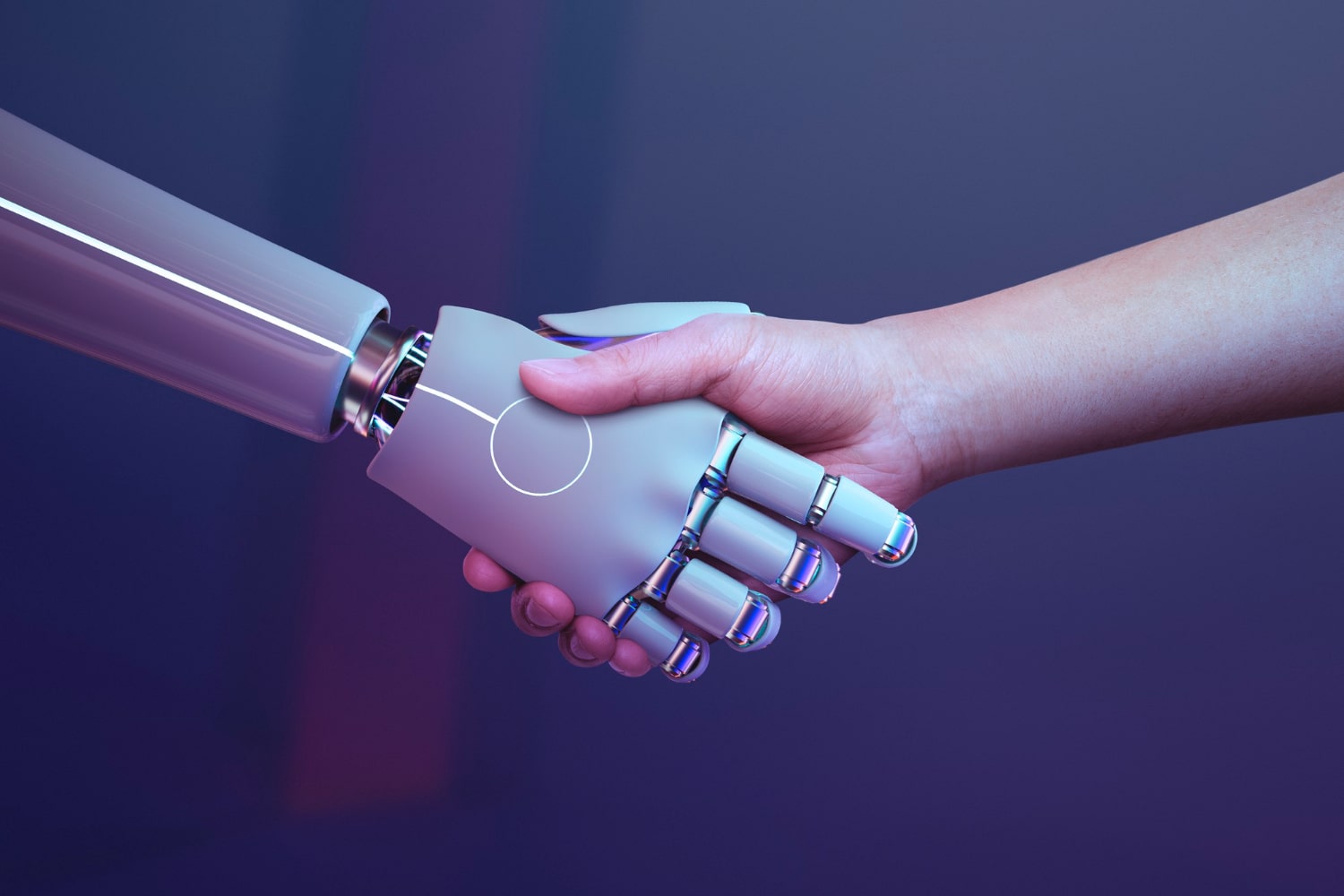
  • Human And Robot Handshake Symbolizing Trust In Digital Future

    Human And Robot Handshake Symbolizing Trust In Digital Future

    Few images capture the essence of our times as effectively as the handshake between a human and a robot. This symbolic gesture embodies trust, collaboration, and the merging of human intelligence with artificial innovation. In the age of rapid digital transformation, such imagery highlights not just the progress of technology but also its relationship with people.

    The handshake has always been a universal symbol of partnership, understanding, and mutual respect. When extended to the relationship between humans and robots, it takes on even greater meaning. It represents the blending of human creativity and emotional intelligence with the precision, speed, and efficiency of machines. Rather than suggesting competition, the handshake signals cooperation—reminding us that technology is most powerful when it enhances human potential.

    In the digital age, artificial intelligence (AI) and robotics are no longer science fiction—they are part of everyday life. From voice assistants to factory automation, from healthcare diagnostics to financial forecasting, intelligent machines now work alongside humans in countless industries. The handshake image reflects this integration, symbolizing a future where humans and machines complement each other instead of existing in opposition.

    Futuristic visuals like this also raise important questions. How do we build trust in machines? How do we ensure that technology serves humanity ethically, transparently, and inclusively? These are pressing concerns as AI systems make increasingly complex decisions in areas like hiring, policing, and medicine. The handshake image serves as both an optimistic vision and a reminder of the responsibilities we carry in shaping this future.

    The background of futuristic digital elements enhances the symbolism. Circuit patterns, holograms, and glowing lights represent the technological backbone of modern society. Together with the handshake, the imagery conveys the idea of partnership within progress—an agreement between humanity and technology to move forward together.

    Culturally, such imagery has significant influence. It inspires confidence in technological advancement, encouraging people to embrace change rather than fear it. It also sparks curiosity, especially among younger generations, about careers in robotics, AI, and digital innovation. In many ways, the handshake image isn’t just about technology—it’s about hope, collaboration, and the shaping of a better future.

    Ultimately, the human-robot handshake is a metaphor for the digital era we are living in. It reminds us that while machines may be intelligent, it is human vision, empathy, and creativity that will guide their use. The true future of technology lies not in replacing humanity but in empowering it.