Category: Sports

  • Flat Lay of Sport Equipment with Rackets and Balls

    Flat Lay of Sport Equipment with Rackets and Balls

    Introduction

    In the world of sports photography and design, few compositions are as visually satisfying as a flat lay of sport equipment. When arranged with intention, a variety of rackets and balls can tell a story of diversity, motion, and athletic culture. This type of layout is ideal for editorial spreads, social media content, or branding that celebrates the richness of multi-sport engagement.

    The Art of Flat Lay Composition

    Flat lay photography is all about balance, symmetry, and storytelling. By placing rackets and balls from different sports—tennis, badminton, squash, table tennis, and more—side by side, designers can create a visual narrative that speaks to versatility and passion. The overhead perspective allows viewers to appreciate the textures, colors, and shapes in a clean, organized format.

    Symbolism in Variety

    Each piece of equipment carries its own identity. A tennis racket suggests power and precision, while a ping pong paddle evokes speed and reflex. Balls vary in size, material, and purpose—from the fuzzy surface of a tennis ball to the smooth polish of a squash ball. Together, they represent the spectrum of human movement and competition.

    Applications in Design and Media

    This kind of flat lay is perfect for sports blogs, fitness magazines, or promotional campaigns. It can be used to highlight cross-training programs, multi-sport events, or even lifestyle branding that connects athleticism with aesthetics. The clean layout also makes it ideal for e-commerce platforms showcasing gear collections.

    Color and Texture Play

    One of the strengths of a flat lay is its ability to showcase contrast. Wooden handles, rubber grips, mesh strings, and felted balls all bring unique textures to the frame. Designers often use neutral backgrounds—like turf green, matte black, or soft gray—to let the equipment pop. Color coordination can also be used to evoke mood: warm tones for energy, cool tones for calm, or bold primaries for youthfulness.

    Cultural and Emotional Resonance

    Beyond aesthetics, this layout taps into nostalgia and aspiration. Many viewers will recognize the gear from their own childhood sports or current fitness routines. It’s a celebration of play, discipline, and the joy of movement. Whether you’re a weekend warrior or a seasoned athlete, the image invites you to connect with your sport.

    Trends in Sports Visuals

    Modern sports visuals are leaning toward minimalism and authenticity. Flat lays offer both—clean lines and real gear. As social media platforms favor scroll-stopping visuals, these compositions are becoming staples in sports marketing. They’re easy to digest, emotionally resonant, and visually rich.

    Conclusion

    A flat lay of sport equipment featuring a variety of rackets and balls is more than a stylish arrangement—it’s a tribute to the diversity and beauty of athletic pursuits. Whether used in design, media, or branding, this visual format captures the essence of sport in a way that’s both organized and inspiring. It reminds us that behind every racket and ball is a story of effort, skill, and passion.
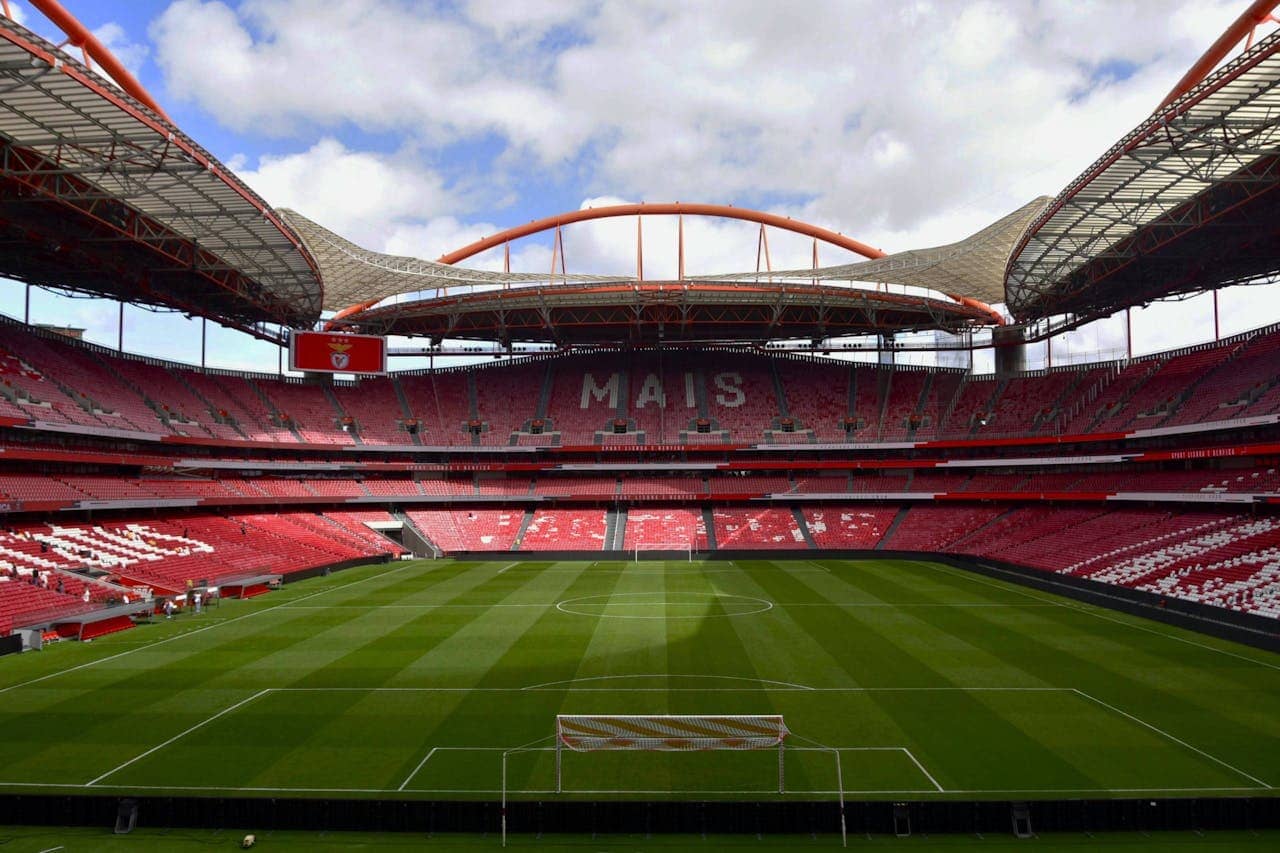
  • Gradient Football Field Background Blending Light, Depth, and Motion

    Gradient Football Field Background Blending Light, Depth, and Motion

    Introduction

    A gradient football field background offers a fresh, modern take on traditional pitch visuals. By blending color transitions with field markings and subtle lighting effects, this design style adds depth, motion, and atmosphere to sports content. It’s ideal for digital media, branding, and immersive storytelling—especially when the goal is to evoke energy and elegance without overwhelming the viewer.

    Why Gradients Work in Sports Design

    Gradients introduce visual flow. Instead of flat green turf, designers can use transitions from deep emerald to soft lime, or even dramatic overlays like dusk purples or stadium blues. These gradients mimic natural lighting—sunrise, sunset, or floodlights—and help guide the viewer’s eye across the composition. They also add emotional tone: warm gradients for excitement, cool ones for focus and calm.

    Field Elements and Layering

    A successful gradient football field background balances abstraction with realism. Key elements include:

    • Pitch lines: Clean white markings for authenticity
    • Subtle textures: Grass blades, turf shadows, or mesh overlays
    • Lighting effects: Spotlights, glows, or radial fades from center circle

    These layers create a sense of depth and motion, making the field feel alive even in static form.

    Applications in Media and Branding

    This background style is highly versatile. It can be used in:

    • Match previews and highlight graphics
    • Team branding and player profiles
    • Social media posts and story templates
    • Event posters and digital ads
    • Presentation decks and UI backgrounds

    Its clean yet dynamic nature makes it suitable for both professional and grassroots football content.

    Color Psychology in Gradient Fields

    Color choices can dramatically shift the mood:

    • Green to yellow: Energy, youth, and optimism
    • Blue to violet: Calm, focus, and twilight drama
    • Red to orange: Intensity, competition, and heat

    Designers often match gradient tones with team colors or campaign themes to create visual harmony.

    Trends in Sports Visuals

    Modern sports design is embracing gradients as part of a broader move toward minimalist dynamism. Instead of cluttered visuals, the focus is on clean compositions with emotional impact. Gradient football fields fit this trend perfectly—offering motion, mood, and meaning without excess.

    Conclusion

    A gradient football field background is more than a stylish visual—it’s a storytelling tool. It captures the spirit of the game through color, light, and layout. Whether used in branding, media, or digital design, this background style elevates football content with elegance and energy. It’s a reminder that even the pitch itself can be part of the narrative.

  • Elevated Basketball Throw Captured Against Dramatic Cloudy Sky

    Elevated Basketball Throw Captured Against Dramatic Cloudy Sky

    Introduction

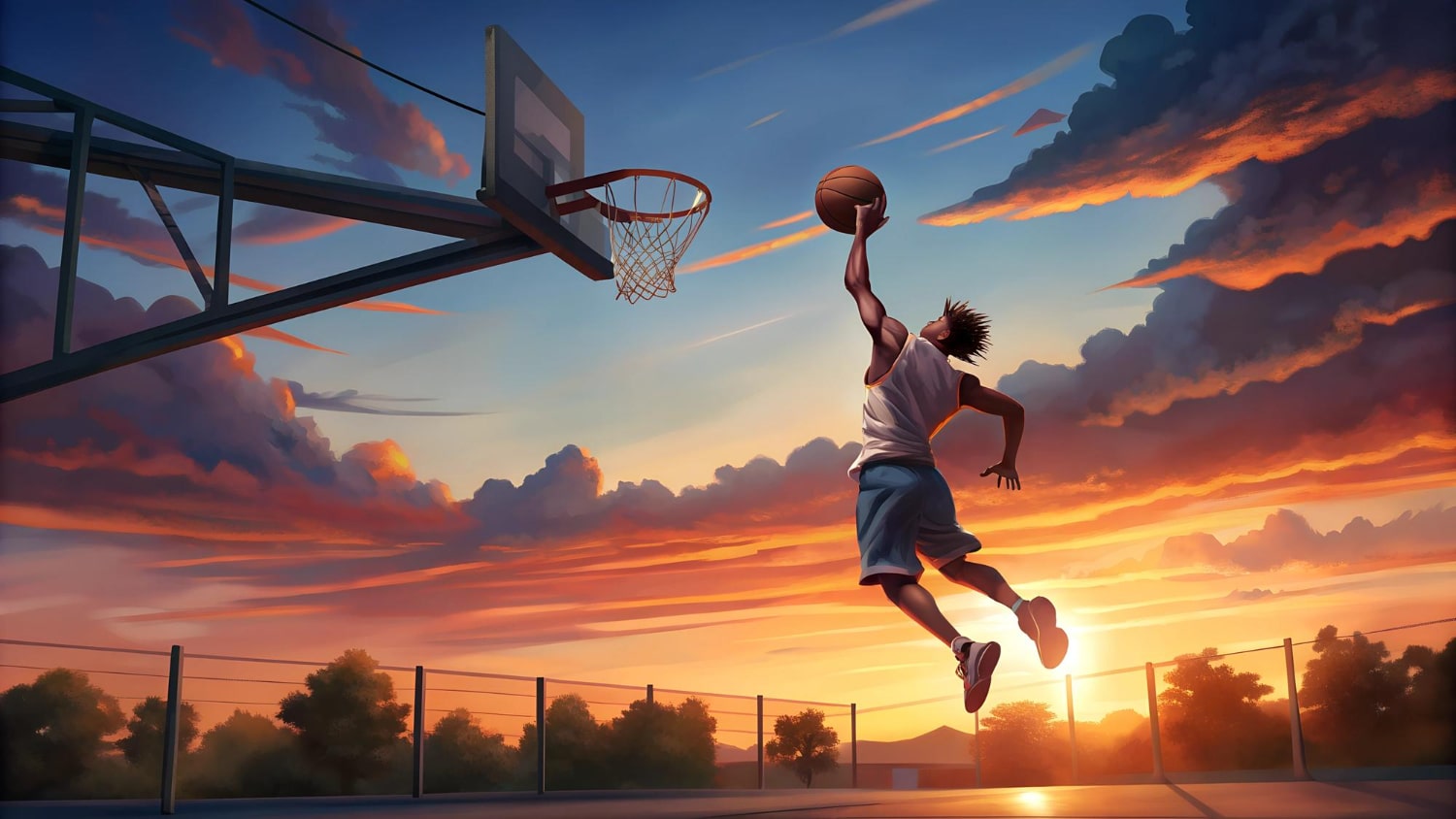
    Basketball is more than just a game—it’s a moment of tension, precision, and release. The image of a hand throwing a basketball toward the hoop against a cloudy sky captures that essence in a visually arresting way. It’s a blend of athletic motion and atmospheric drama, where the human form meets nature’s canvas. This kind of visual is perfect for sports branding, motivational content, or any design that seeks to evoke ambition and elevation.

    Symbolism in the Throw

    The act of throwing a basketball is symbolic: it represents effort, timing, and the pursuit of a goal. When framed against a cloudy sky, the symbolism deepens. The clouds suggest uncertainty, challenge, or even transcendence—while the upward motion of the ball becomes a metaphor for rising above. The hand, mid-throw, is frozen in a moment of intention, making the viewer feel the anticipation of whether the shot will land.

    Visual Composition and Impact

    From a design perspective, this composition is powerful. The contrast between the dark silhouette of the hoop and hand against the textured sky creates depth and drama. The cloudy backdrop adds mood and movement, while the ball in flight draws the eye upward. Designers can use this kind of imagery to emphasize themes of aspiration, challenge, and momentum.

    Applications in Sports Media

    This visual is ideal for posters, social media campaigns, or motivational graphics. It works especially well in contexts where the goal is to inspire—whether it’s a youth basketball program, a fitness brand, or a personal development message. The outdoor setting also makes it relatable and raw, appealing to audiences who value authenticity over polish.

    Emotional Resonance

    There’s something deeply human about the image. The lone hand, the solitary ball, the vast sky—it evokes solitude, focus, and determination. It’s not just about scoring points; it’s about the journey of trying. The cloudy sky adds emotional weight, suggesting that greatness often comes through adversity.

    Design Trends and Relevance

    In modern sports design, there’s a growing trend toward using natural elements and dramatic lighting to elevate athletic imagery. This kind of photo fits perfectly into that trend. It’s not overly staged or digitally enhanced—it feels real, raw, and cinematic. Designers are increasingly leaning into these aesthetics to create more emotionally compelling content.

    Conclusion

    The hand of a man throwing a basketball toward the hoop against a cloudy sky is more than a snapshot—it’s a visual metaphor for ambition, challenge, and elevation. Whether used in sports media, branding, or personal storytelling, this imagery speaks to the universal drive to rise, aim, and achieve. It’s a reminder that every throw, no matter the weather, carries the hope of success.

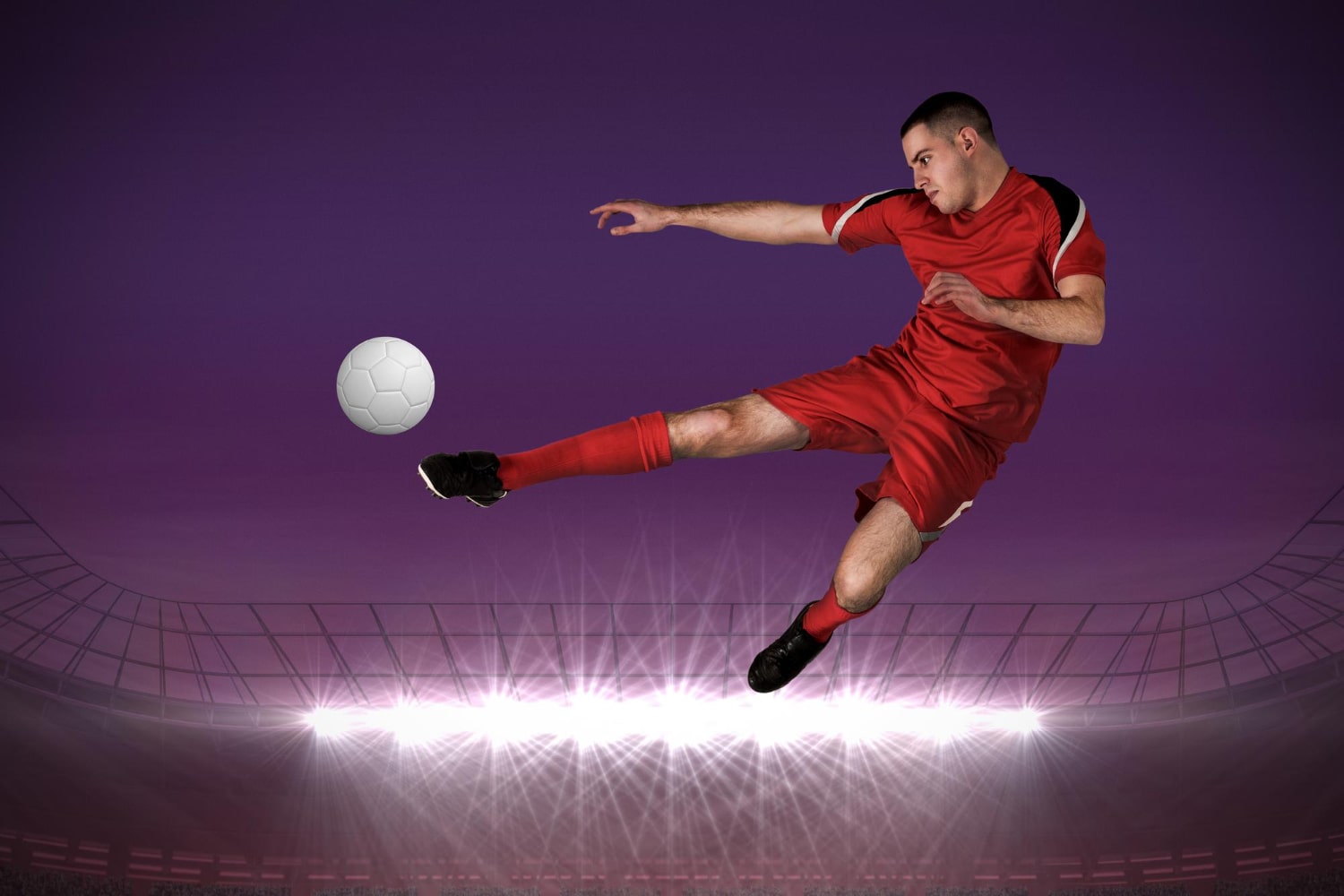
  • Football Player Kicking Under Stadium Lights and Purple Sky

    Football Player Kicking Under Stadium Lights and Purple Sky

    Introduction

    Few visuals in sports photography are as cinematic as a football player kicking against a large stadium backdrop under a purple sky. This scene blends athletic intensity with atmospheric drama, creating a moment that feels both grounded and surreal. It’s a perfect fusion of motion, light, and emotion—ideal for sports branding, editorial design, or motivational storytelling.

    The Drama of the Purple Sky

    A purple sky isn’t just a color—it’s a mood. It evokes twilight, transition, and anticipation. When paired with stadium spotlights, it creates a layered visual experience: the natural softness of dusk contrasted with the harsh brilliance of artificial light. This duality mirrors the tension of the game itself—calm before the storm, focus before the kick.

    Athletic Motion in Focus

    The football player’s kick is the focal point. Whether captured mid-strike or in the follow-through, the pose conveys power, precision, and intent. The body language tells a story: preparation, execution, and release. Designers can emphasize this moment with motion blur, silhouette framing, or dynamic angles that highlight the athlete’s form.

    Stadium as a Symbol

    The stadium represents scale, audience, and ambition. Its towering lights and vast seating evoke the grandeur of professional sport. Even if the stands are empty, the structure itself adds weight to the scene—reminding viewers of the stage where legends are made. The contrast between the lone player and the massive venue adds emotional depth.

    Color and Composition

    Purple skies offer a unique palette for sports visuals. They can be paired with:

    • Cool tones for calm and focus
    • Warm accents for energy and urgency
    • Monochrome silhouettes for timeless impact

    Spotlights add contrast and texture, casting dramatic shadows and highlighting key elements like the ball, jersey, or turf.

    Applications in Design and Media

    This type of imagery is ideal for:

    • Match previews and highlight reels
    • Motivational posters and athlete profiles
    • Brand campaigns for sportswear or gear
    • Social media countdowns and event teasers

    Its cinematic quality makes it versatile across both print and digital platforms.

    Emotional Resonance

    The scene evokes solitude, focus, and determination. It’s not just about scoring—it’s about the moment before. The purple sky adds introspection, while the stadium lights bring urgency. Together, they create a visual metaphor for ambition: standing alone, under pressure, ready to rise.

    Conclusion

    A football player kicking against a large stadium under a purple sky is more than a striking image—it’s a story of motion, mood, and meaning. It captures the essence of sport: the beauty of effort, the scale of ambition, and the poetry of play. Whether used in design, media, or branding, this visual speaks to the heart of football and the soul of the athlete.

  • Immersive Soccer Game Concept Blending Strategy and Realism

    Immersive Soccer Game Concept Blending Strategy and Realism

    Introduction

    The soccer game concept is evolving beyond simple match simulations. Today’s designs blend realism, strategy, and emotional engagement to create immersive experiences for players and fans alike. Whether it’s a mobile app, console game, or interactive training tool, the concept of soccer as a playable, visualized system opens up endless creative possibilities.

    Core Elements of the Concept

    A compelling soccer game concept typically includes:

    • Player control mechanics: Smooth dribbling, passing, and shooting systems
    • Team strategy layers: Formation adjustments, tactical shifts, and AI behavior
    • Visual atmosphere: Stadium lighting, crowd dynamics, and weather effects
    • Progression systems: Career mode, team upgrades, and skill development

    These elements combine to simulate the intensity and nuance of real-world football while offering players agency and personalization.

    Designing the Experience

    Modern soccer games focus heavily on user interface (UI) and user experience (UX). Clean menus, intuitive controls, and responsive feedback loops are essential. Designers often use:

    • Gradient backgrounds to evoke motion and depth
    • Minimalist icons for quick navigation
    • Dynamic overlays for live match stats and player fatigue

    The goal is to keep users immersed without overwhelming them—balancing realism with accessibility.

    Visual Style and Branding

    The aesthetic of a soccer game concept can range from hyper-realistic to stylized minimalism. Key visual themes include:

    • Purple twilight stadiums for cinematic drama
    • Neon accents for futuristic flair
    • Flat lay gear visuals for onboarding or tutorials
    • Player silhouettes in motion for loading screens and transitions

    These visuals help establish tone and emotional resonance, whether the game is competitive, casual, or story-driven.

    Emotional Engagement and Storytelling

    Beyond gameplay, the best soccer game concepts tap into narrative design. Players might follow a rising star’s journey, manage a struggling club, or relive historic matches. Emotional arcs—victory, defeat, rivalry—make the experience memorable. Designers use cutscenes, commentary, and character development to deepen the connection.

    Technology and Innovation

    Emerging tech is reshaping soccer game concepts:

    • AR/VR for immersive training and match viewing
    • AI-driven tactics that adapt to player behavior
    • Cloud-based multiplayer for global tournaments
    • Gesture controls and voice commands for accessibility

    These innovations push the boundaries of what a soccer game can be—turning it into a platform for learning, entertainment, and community.

    Conclusion

    A well-crafted soccer game concept is more than just digital play—it’s a fusion of sport, strategy, and storytelling. By combining intuitive design, atmospheric visuals, and emotional depth, creators can build experiences that resonate with fans and players alike. Whether you’re designing for mobile, console, or web, the future of soccer gaming is immersive, intelligent, and endlessly exciting.

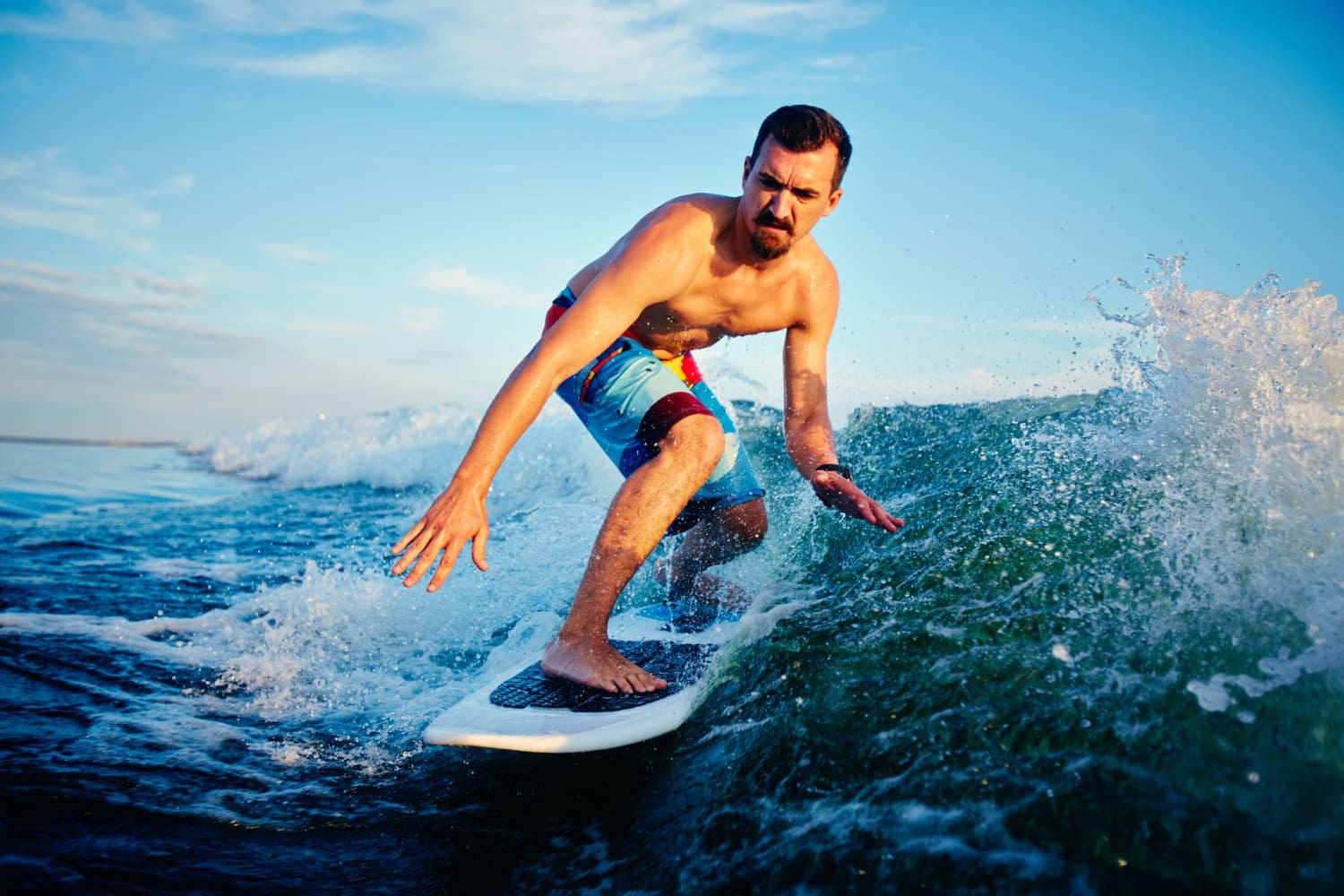
  • Focused Surfer Preparing for Upcoming High-Energy Ocean Competition

    Focused Surfer Preparing for Upcoming High-Energy Ocean Competition

    Introduction

    Surfing is more than a sport; it’s a way of life that combines strength, balance, and an unbreakable bond with the ocean. For competitive surfers, the hours before stepping onto the board are filled with discipline, focus, and mental preparation. Watching a surfer prepare for competition reveals the dedication and determination behind every wave they ride.

    Mental Preparation

    Success in surfing begins long before the first wave is caught. Athletes spend time visualizing their performance, picturing themselves gliding across challenging swells with precision and control. This mental rehearsal calms nerves, builds confidence, and sets the tone for peak performance during the event.

    Physical Warm-Up

    Stretching, strength exercises, and balance routines are essential. Preparing the body ensures flexibility and reduces the risk of injury while enhancing reaction time in unpredictable waters. Whether it’s yoga poses on the sand, resistance band stretches, or core exercises, every movement is designed to ready the surfer’s body for the ocean’s demands.

    Equipment Check

    Surfboards are more than tools—they’re extensions of the surfer. Competitors carefully check their boards for dings, wax for grip, and fins for stability. The ritual of preparing equipment builds confidence, ensuring that when the competition begins, no detail has been overlooked.

    Connection with the Ocean

    Before the heat starts, many surfers take time to observe the waves, currents, and winds. Understanding the ocean’s mood on competition day is crucial for strategy. This quiet moment of connection reminds athletes that surfing is not about conquering nature, but harmonizing with it.

    The Competitive Spirit

    As spectators cheer and judges prepare, the surfer steps into the arena with a mix of focus and adrenaline. The preparation rituals—both physical and mental—culminate in the confidence to perform. Each ride is not only about points but also about showcasing skill, creativity, and love for the sport.

    Conclusion

    The image of a surfer preparing for competition captures more than athleticism—it represents discipline, mindfulness, and passion. It is a reminder that behind every powerful ride is a story of preparation, resilience, and the pursuit of excellence. Surfing competitions may be thrilling to watch, but the unseen preparation is what truly defines the athlete.

  • Snowboarder Soaring Through Clouds with Power, Style, and Freedom

    Snowboarder Soaring Through Clouds with Power, Style, and Freedom

    Introduction

    Snowboarding is one of the most thrilling winter sports, combining speed, skill, and a sense of pure freedom. A snowboarder flying through the air with clouds in the background is more than just a striking image—it captures the heart of adventure and the unbreakable connection between human spirit and mountain landscapes.

    The Thrill of Flight

    Few sports offer the sensation of flying like snowboarding. Launching off a ramp or a natural slope, snowboarders experience weightlessness before landing back on the snowy terrain. This moment in the air, framed by clouds and crisp mountain skies, symbolizes ultimate freedom and exhilaration.

    Skill and Technique

    Behind every airborne trick lies hours of dedication. Snowboarders must master balance, timing, and control to launch safely and land smoothly. Tricks like grabs, spins, and flips highlight the athleticism and creativity of the sport. Precision is everything—each move showcases the harmony between body and board.

    The Beauty of the Mountains

    Clouds drifting in the background remind us of the unique setting that snowboarding offers. Mountain peaks, fresh powder, and wide-open skies create a playground unlike any other. Flying through this landscape feels surreal, blending the adrenaline of extreme sport with the serenity of nature.

    Risk and Courage

    Snowboarding at this level requires courage. The risk of falling is real, yet athletes embrace it, knowing that each attempt brings them closer to mastery. This courage extends beyond the slopes—it becomes a life lesson in resilience, reminding us that progress often comes with calculated risks.

    The Culture of Snowboarding

    Snowboarding is more than a sport; it’s a lifestyle. Riders share a passion for freedom, creativity, and pushing limits. Communities built around the sport celebrate individuality, whether through unique tricks, styles, or approaches to riding. The image of a snowboarder soaring through clouds is also a symbol of this vibrant culture.

    Conclusion

    A snowboarder flying on his board with clouds in the background embodies adventure, skill, and the joy of defying gravity. It’s a reminder that sports can transcend simple recreation—they can inspire awe, creativity, and courage. Snowboarding is not only about carving slopes but also about embracing moments that feel like flight, where earth and sky seem to merge in a spectacular dance of freedom.

  • Confident Football Player Posing with Foot on the Ball

    Confident Football Player Posing with Foot on the Ball

    Introduction

    The image of a football player with one foot on the ball is iconic. It’s a pose that speaks volumes—about control, readiness, and identity. Whether captured in a stadium, on a training pitch, or in a stylized studio setting, this stance is a visual shorthand for athletic focus and leadership. It’s not just a pose—it’s a statement.

    Symbolism of the Stance

    Placing a foot on the ball is symbolic of dominance and preparation. It suggests the player is in control, ready to act, and aware of their surroundings. This posture is often used in sports photography to convey confidence, authority, and calm before the storm. It’s the moment before motion—the pause that defines intent.

    Visual Composition and Impact

    From a design perspective, this pose offers strong compositional balance. The vertical line of the body contrasts with the roundness of the ball, creating visual tension. Depending on the background—stadium lights, cloudy sky, or minimalist studio—the image can evoke different moods:

    • Heroic: Backlit with dramatic shadows
    • Focused: Neutral tones and sharp detail
    • Stylized: High contrast or monochrome treatment

    The simplicity of the pose makes it adaptable across branding, editorial, and promotional contexts.

    Applications in Sports Media

    This visual is widely used in:

    • Player profiles and team posters
    • Training program covers
    • Motivational graphics and merchandise
    • Social media intros and highlight reels
    • Youth academy branding and recruitment materials

    Its clarity and emotional resonance make it ideal for both professional and grassroots campaigns.

    Emotional and Cultural Resonance

    The stance connects with viewers on a deeper level. It’s not about action—it’s about presence. The player isn’t running or scoring—they’re grounded, composed, and ready. This resonates with themes of discipline, leadership, and self-belief. It’s a universal image that speaks to athletes, fans, and designers alike.

    Design Trends and Variations

    Modern sports visuals often remix this pose with:

    • Gradient backgrounds for depth and motion
    • Silhouette treatments for timeless impact
    • Close-up textures of boots, turf, and ball for realism
    • Color overlays to match team branding or campaign themes

    These variations keep the pose fresh while preserving its core symbolism.

    Conclusion

    A football player with foot on the ball is more than a static image—it’s a visual metaphor for control, readiness, and identity. Whether used in design, media, or storytelling, this pose captures the essence of football in a single frame. It’s a reminder that before every great play, there’s a moment of stillness, focus, and intent.

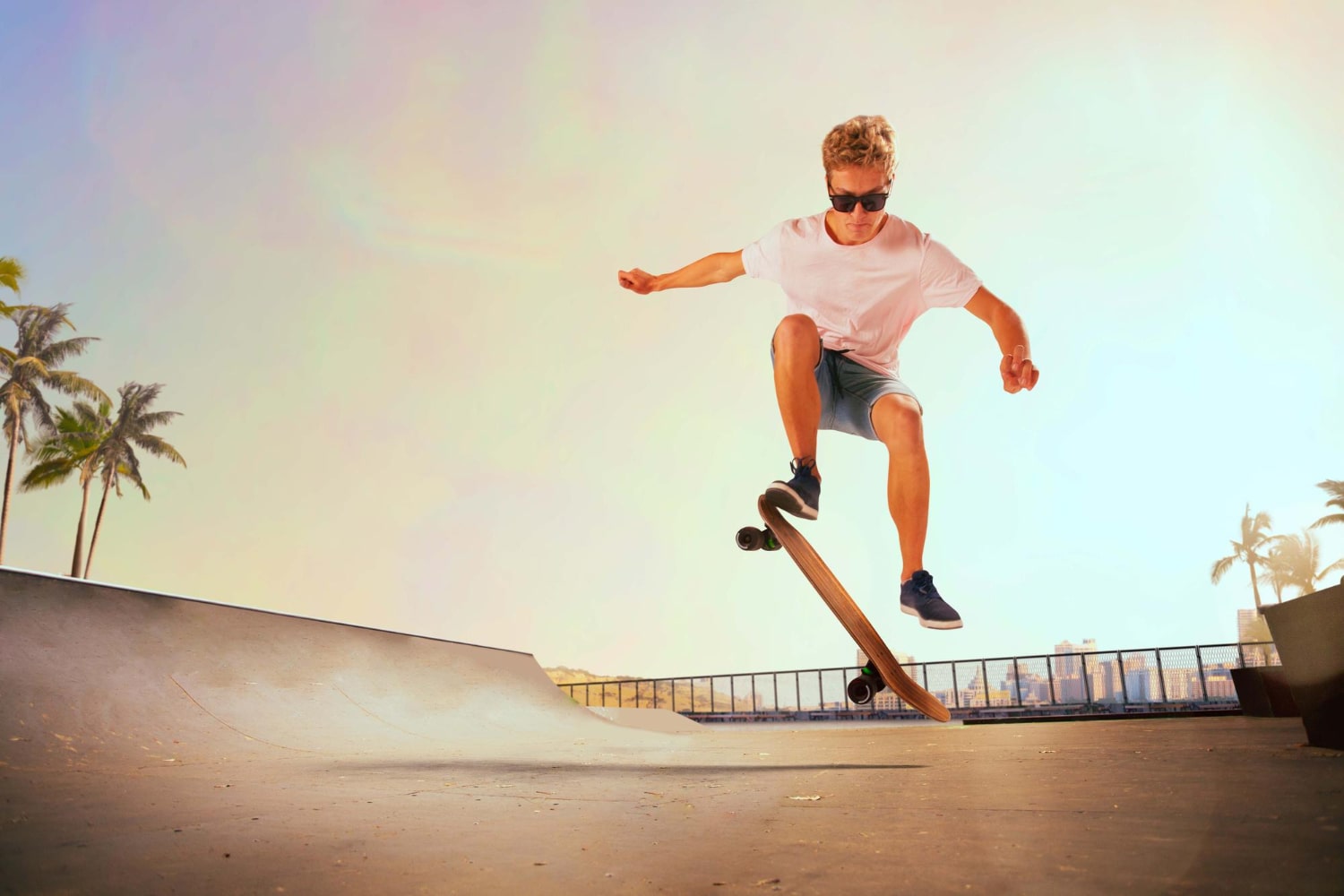
  • Skateboarder Showcases Impressive Tricks with Skill, Balance, and Style

    Skateboarder Showcases Impressive Tricks with Skill, Balance, and Style

    Introduction

    Skateboarding is more than just a sport; it is a cultural movement that thrives on creativity, courage, and individuality. Watching a skateboarder perform tricks is an experience that captures the essence of freedom, determination, and innovation. Every jump, grind, and flip is a testament to countless hours of practice and passion.

    The Art of Tricks

    From ollies to kickflips, skateboarding tricks require precision and timing. Each move is a balance between technique and creativity, where skaters push the boundaries of what is possible. Performing tricks is not just about mechanics but about developing a personal style that makes each ride unique and memorable.

    Physical and Mental Demands

    Behind every trick is a mix of athleticism and resilience. Skateboarders rely on strong legs, sharp reflexes, and excellent balance. Equally important is mental strength—the ability to face falls, overcome fear, and persist until a move is mastered. This blend of physical and mental preparation makes skateboarding a demanding yet rewarding pursuit.

    The Culture of Skateboarding

    Skateboarding has deep roots in urban culture, often associated with freedom of expression and pushing against boundaries. Performing tricks in public spaces or skate parks is more than a showcase of skill; it is a way of communicating identity and creativity. Each trick tells a story about the skater’s personality and journey.

    Risk and Reward

    Tricks are not without risk. Falls, scrapes, and setbacks are part of the process. Yet, this risk adds to the thrill and makes the reward even sweeter. Successfully landing a difficult trick brings a rush of adrenaline and accomplishment that fuels a skateboarder’s passion for the sport.

    Inspiration for Others

    Skateboarders performing tricks often inspire audiences and aspiring riders alike. Their dedication proves that with patience and determination, boundaries can always be pushed further. The sport encourages young people to be active, creative, and resilient while giving them a platform for self-expression.

    Conclusion

    A skateboarder performing tricks embodies more than athleticism—it represents a spirit of freedom, creativity, and perseverance. Each trick is a reminder that the sport is about more than competition; it is about self-discovery, artistry, and the relentless pursuit of progress. Whether in skate parks, city streets, or global competitions, skateboarders continue to inspire by proving that limits exist only to be overcome.

  • Energetic Boys Playing Soccer Together on a Sunny Field

    Energetic Boys Playing Soccer Together on a Sunny Field

    Introduction

    Few sights capture the spirit of childhood and teamwork as beautifully as boys playing soccer on a field. Whether it’s a local park or a school ground, the game represents energy, friendship, and the joy of being active. Soccer is not just about scoring goals—it’s about learning teamwork, discipline, and the thrill of competition.

    The Energy of the Game

    Soccer is fast-paced, filled with running, passing, and constant movement. Boys playing together on a field often demonstrate endless energy, chasing the ball with determination and laughter. The excitement of the game keeps players motivated and creates an environment of fun while building physical fitness.

    Teamwork and Cooperation

    One of the greatest values learned on the soccer field is teamwork. Passing the ball, coordinating plays, and trusting teammates help young players understand the importance of collaboration. These lessons extend beyond the field, teaching children how to work together in school, friendships, and later in life.

    Physical and Mental Benefits

    Soccer provides a full-body workout, improving endurance, balance, and coordination. At the same time, it sharpens focus and decision-making skills as players must react quickly to the flow of the game. This combination of physical and mental growth makes soccer a powerful developmental activity for children.

    Building Friendships

    Soccer fields are often the birthplace of lasting friendships. Sharing victories, defeats, and countless hours of practice strengthens bonds among players. For many boys, the memories made on the field—scoring a first goal, winning a close game, or simply laughing with teammates—remain cherished throughout their lives.

    The Joy of Outdoor Play

    In today’s digital world, outdoor sports like soccer are vital for keeping children active and connected with nature. Playing under the sun, feeling the grass, and experiencing the open space brings a sense of freedom that screens cannot replicate. Soccer on a field provides boys with an outlet for energy and creativity.

    Conclusion

    Boys playing soccer on a field represent more than just a game. They embody the joy of movement, the strength of teamwork, and the value of outdoor activity. Soccer is not only a sport—it is a life lesson in cooperation, resilience, and passion. Watching young players chase a ball across the field is a reminder of the simple yet powerful role sports play in shaping character and creating joyful memories.