
Category: Technology

  • Exploring Mysterious Alien Ruins on the Red Planet

    Exploring Mysterious Alien Ruins on the Red Planet

    Mars has fascinated humanity for centuries, but stepping onto its surface brings that fascination to life in ways once thought impossible. Astronauts clad in protective suits traverse the rust-colored terrain, their boots leaving marks in the dust of an ancient world. Rising above the horizon are monumental alien structures, carved from red stone and inscribed with cryptic glowing symbols. These ruins whisper of a civilization lost to time, waiting for explorers to uncover their secrets.

    The harsh Martian environment, with its thin atmosphere and dramatic landscapes, is both a challenge and a wonder. Towering cliffs, expansive plains, and looming rock formations form a backdrop unlike any on Earth. Against this setting, the alien towers stand as proof that intelligent life may once have thrived here. Scientists speculate about their origin—were they temples, observatories, or gateways to knowledge we cannot yet comprehend?

    As astronauts advance toward these structures, they balance scientific duty with the awe of discovery. Every step is a reminder of human resilience and curiosity. Dust storms may rise, visibility may wane, but the pull of unraveling cosmic history keeps them moving forward. Their instruments scan the symbols etched into stone, searching for patterns that might reveal language, astronomy, or culture.

    Exploring Mars isn’t simply about survival—it’s about encountering the unknown. The alien ruins invite questions that bridge science and imagination: What stories do these walls tell? What technologies were used to create them? Could remnants of this civilization still exist beneath the surface?

    For travelers, the journey to Mars represents humanity’s desire to push boundaries, to move beyond our planet and connect with the wider universe. Standing before alien monuments under the light of a distant sun, astronauts embody that timeless drive to explore.

  • Machine Learning Driving Innovation Across Industries With Smarter Predictive Analytics

    Machine Learning Driving Innovation Across Industries With Smarter Predictive Analytics

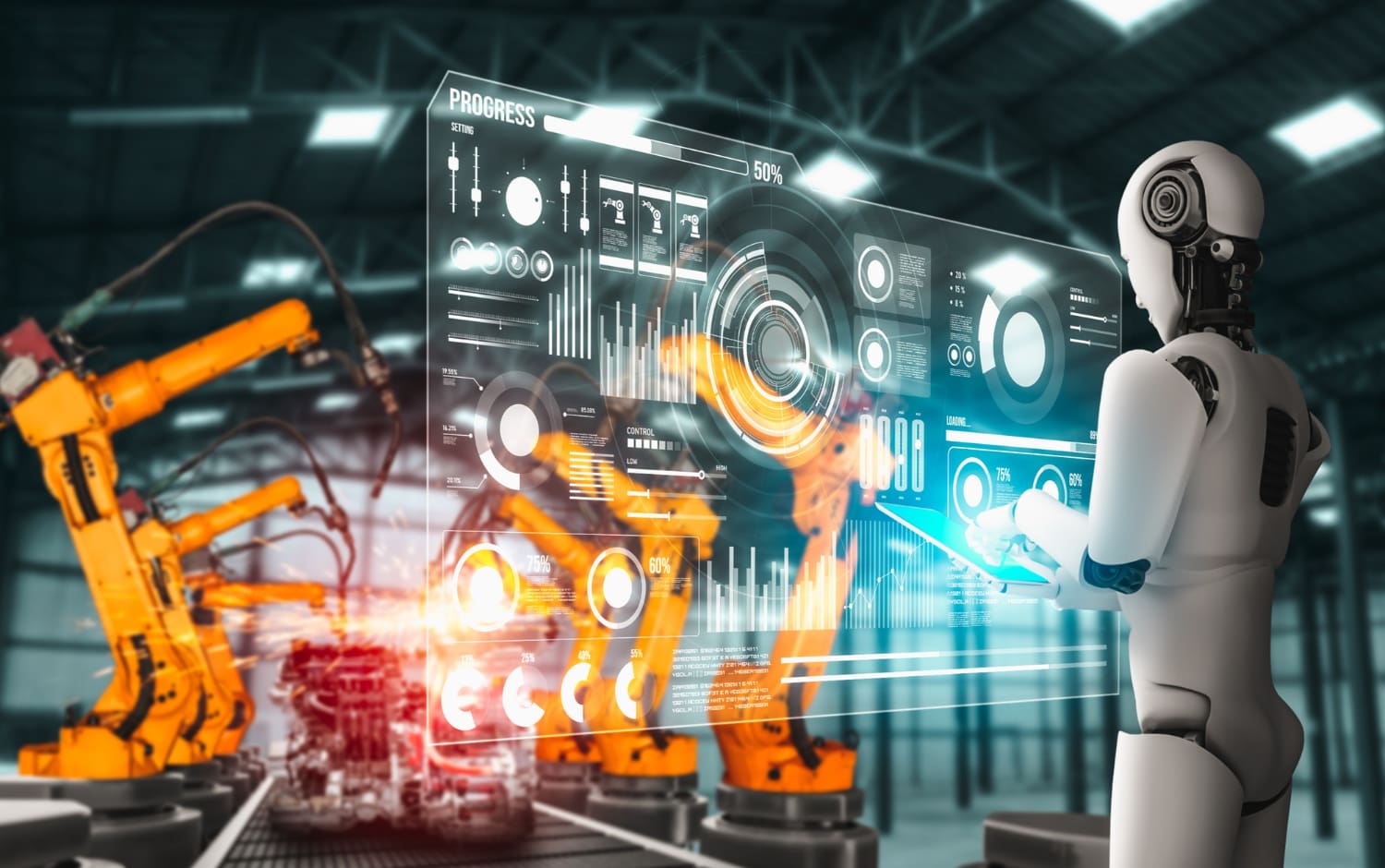
    Machine learning (ML), a subset of AI, is transforming industries by enabling smarter predictive analytics. By analyzing patterns in vast datasets, ML algorithms can forecast outcomes with incredible accuracy, driving innovation in business, healthcare, finance, and beyond.

    In retail, ML analyzes customer behavior to predict purchasing trends. This helps companies optimize inventory, personalize recommendations, and increase sales. In healthcare, predictive models forecast disease risks and patient outcomes, allowing earlier interventions.

    Financial institutions use ML for fraud detection. By spotting unusual transaction patterns, algorithms flag risks faster than traditional systems, protecting both businesses and customers. Meanwhile, in manufacturing, predictive maintenance uses ML to identify equipment failures before they occur, saving costs and preventing downtime.

    What makes ML powerful is its adaptability. Algorithms continuously learn and improve from new data, becoming more accurate over time. Combined with automation, ML reduces human error while increasing efficiency.

    Despite the benefits, challenges remain. Poor-quality data can lead to inaccurate predictions, while complex algorithms often lack transparency. Ethical guidelines and explainable AI frameworks are crucial to building trust.

    Machine learning is no longer just a technical concept—it’s a practical tool shaping the future. As predictive analytics expand, industries will continue unlocking innovation through the power of ML.

  • Cybersecurity Challenges and Solutions in Today’s Connected Digital Era

    Cybersecurity Challenges and Solutions in Today’s Connected Digital Era

    The digital age has connected the world like never before, but this connectivity comes with growing cybersecurity risks. From ransomware attacks to phishing scams, individuals and organizations face constant threats that demand strong security strategies.

    Cybersecurity begins with understanding vulnerabilities. Personal data, financial records, and corporate secrets are prime targets for hackers. The rise of remote work has expanded risks, as employees access sensitive information through home networks and personal devices. This shift requires more robust defense mechanisms.

    Businesses increasingly adopt multi-layered security approaches. Firewalls, intrusion detection systems, and endpoint protection are standard, but the focus is shifting toward proactive solutions. Artificial Intelligence plays a key role by monitoring traffic patterns and identifying anomalies before they escalate into attacks.

    For individuals, basic digital hygiene is vital. Using strong, unique passwords, enabling two-factor authentication, and avoiding suspicious links can significantly reduce risks. Regular updates for software and devices are equally critical, as outdated systems often provide openings for cybercriminals.

    Governments and international organizations also contribute to cybersecurity by establishing regulations and promoting collaboration. Initiatives like GDPR emphasize data protection, while global cooperation helps track and dismantle cybercrime networks.

    Despite growing challenges, cybersecurity is not just about defense—it’s about resilience. Companies that invest in robust recovery plans, employee training, and secure technologies can minimize damage and maintain trust.

    In today’s connected world, cybersecurity is everyone’s responsibility. By combining awareness, technology, and collaboration, we can navigate digital risks while embracing the benefits of connectivity.

  • Racing Hoverbikes Through Neon Streets of Futuristic City

    Racing Hoverbikes Through Neon Streets of Futuristic City

    In the heart of a neon-lit metropolis, adventure takes on a whole new dimension as hoverbikes slice through glowing avenues and towering skyscrapers. The futuristic city, alive with energy and vibrancy, becomes both racetrack and playground for thrill-seekers daring enough to mount these advanced machines. With blazing trails of light and sleek aerodynamic design, hoverbikes symbolize speed, freedom, and rebellion in a world defined by technology.

    Racing through the cyberpunk streets is more than a sport—it’s an immersive experience that blends human adrenaline with high-tech engineering. Riders wear protective suits designed for both style and safety, their helmets reflecting the dazzling glow of digital billboards and holographic signs. Every twist and turn of the city grid challenges reflexes and instincts, demanding focus in an environment where distractions are constant.

    The hoverbikes themselves are marvels of innovation, powered by anti-gravity engines that defy conventional roads. Their luminous thrusters leave streaks of light, painting the cityscape with ephemeral art. As riders dart between skyscrapers, weave through traffic, and accelerate along elevated highways, they embody the futuristic spirit of exploration. It’s not just about reaching a destination but about embracing the journey in all its electrifying chaos.

    This experience also reveals the culture of the city—a blend of tradition and digital evolution. Neon signage recalls classic cityscapes, while holographic advertisements remind travelers of the omnipresence of technology. The hoverbike race thus becomes a metaphor for modern urban life: fast, competitive, and endlessly dynamic.

    For travelers seeking a glimpse into possible futures, riding a hoverbike in such a city offers both exhilaration and insight. It’s a chance to feel the pulse of tomorrow while immersed in the glowing heartbeat of a metropolis that never sleeps.

  • AI-Powered Chatbots Revolutionizing Customer Service in Global Business Operations

    AI-Powered Chatbots Revolutionizing Customer Service in Global Business Operations

    Customer service has always been central to business success, and AI-powered chatbots are revolutionizing the way companies interact with clients. By combining natural language processing (NLP) with machine learning, chatbots can handle inquiries instantly, providing 24/7 support across industries.

    One of the biggest advantages is efficiency. Chatbots resolve routine questions—like order tracking, account details, or product information—freeing human agents to handle complex issues. This reduces wait times and improves customer satisfaction.

    AI chatbots also learn continuously. As they interact with more users, they refine responses, adapt to customer behavior, and provide more personalized experiences. This creates consistency in service while cutting operational costs.

    Integration with social media, websites, and messaging apps makes chatbots accessible everywhere. For e-commerce businesses, bots can recommend products based on preferences, guide customers through checkout, and handle refunds or returns.

    Of course, challenges exist. Poorly designed bots can frustrate users with limited answers. The best systems combine AI with human support, ensuring a smooth transition when advanced help is required.

    The future of AI chatbots goes beyond customer service. They’re becoming virtual sales assistants, onboarding tools, and even HR resources, proving their value in global business operations.

  • Artificial Intelligence Transforming Everyday Life in Digital Technology World

    Artificial Intelligence Transforming Everyday Life in Digital Technology World

    Artificial Intelligence (AI) has moved from futuristic concept to everyday reality, reshaping how we work, communicate, and live. From smart assistants like Siri and Alexa to complex algorithms driving healthcare innovations, AI is becoming inseparable from modern life.

    One of the most visible impacts of AI is personalization. Streaming services such as Netflix or Spotify use machine learning to recommend content tailored to individual preferences. Similarly, e-commerce platforms suggest products based on browsing habits, making shopping seamless and efficient.

    In healthcare, AI-powered diagnostic tools analyze medical images faster and often more accurately than humans, assisting doctors in detecting diseases early. Predictive analytics help hospitals allocate resources effectively, while wearable devices track health data in real-time for personalized care.

    The business world also benefits from AI. Companies use chatbots to deliver 24/7 customer service, while automation tools optimize supply chains, improve forecasting, and reduce costs. AI also plays a crucial role in cybersecurity by identifying unusual patterns and preventing potential threats.

    However, with opportunities come challenges. Concerns about job displacement, bias in algorithms, and data privacy demand thoughtful regulation and ethical practices. As AI becomes more powerful, ensuring fairness, transparency, and inclusivity becomes essential.

    Ultimately, AI is not about replacing humans but augmenting their capabilities. By automating repetitive tasks and uncovering insights hidden in data, AI allows people to focus on creativity, innovation, and human connection. The digital world will continue evolving, and AI will remain at the center of this transformation.